Physics Nobel goes to Francis Halzen for IceCube's high-energy neutrino discovery
A cubic kilometer of Antarctic ice, wired with light sensors, caught the first high-energy neutrinos known to come from beyond the solar system
Why it matters · It's the first solo physics Nobel since 1992. It rewards a large, risky, publicly funded experiment that gave astronomers a new way to observe the universe, and the U.S. administration has now proposed halving that experiment's funding.
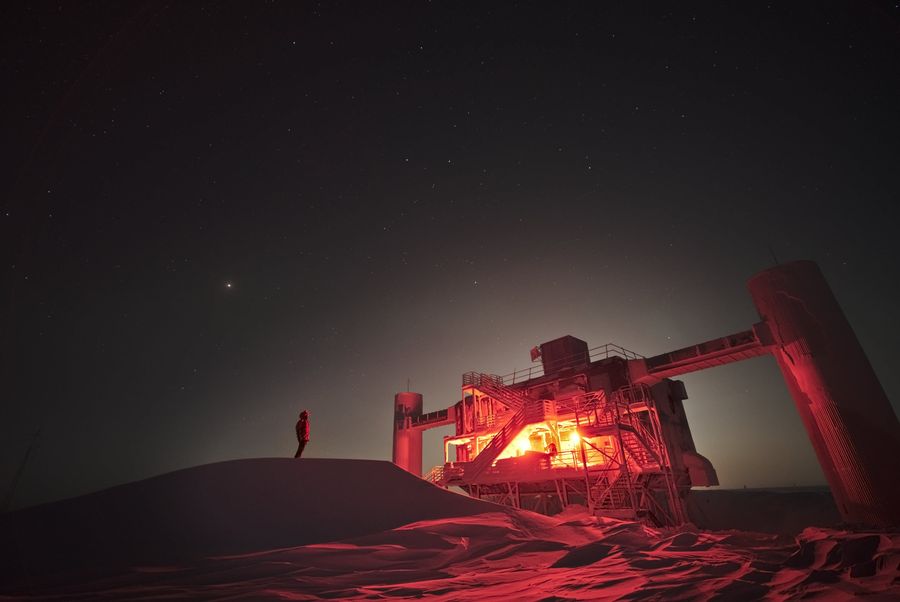
The 2026 Nobel Prize in Physics goes to Francis Halzen, a Belgium-born physicist at the University of Wisconsin–Madison. He is principal investigator of the IceCube Neutrino Observatory at the South Pole. The citation honors his "decisive contributions to the IceCube Neutrino Observatory and the discovery of high-energy neutrinos of astrophysical origin." He is the first person to win the physics prize alone since Georges Charpak in 1992.
How you catch a ghost particle
Of the 17 known fundamental particles, neutrinos are the least understood. They pass through matter almost as if it weren't there, so the only way to study them is to watch a huge volume of material for their very rare collisions with atoms.
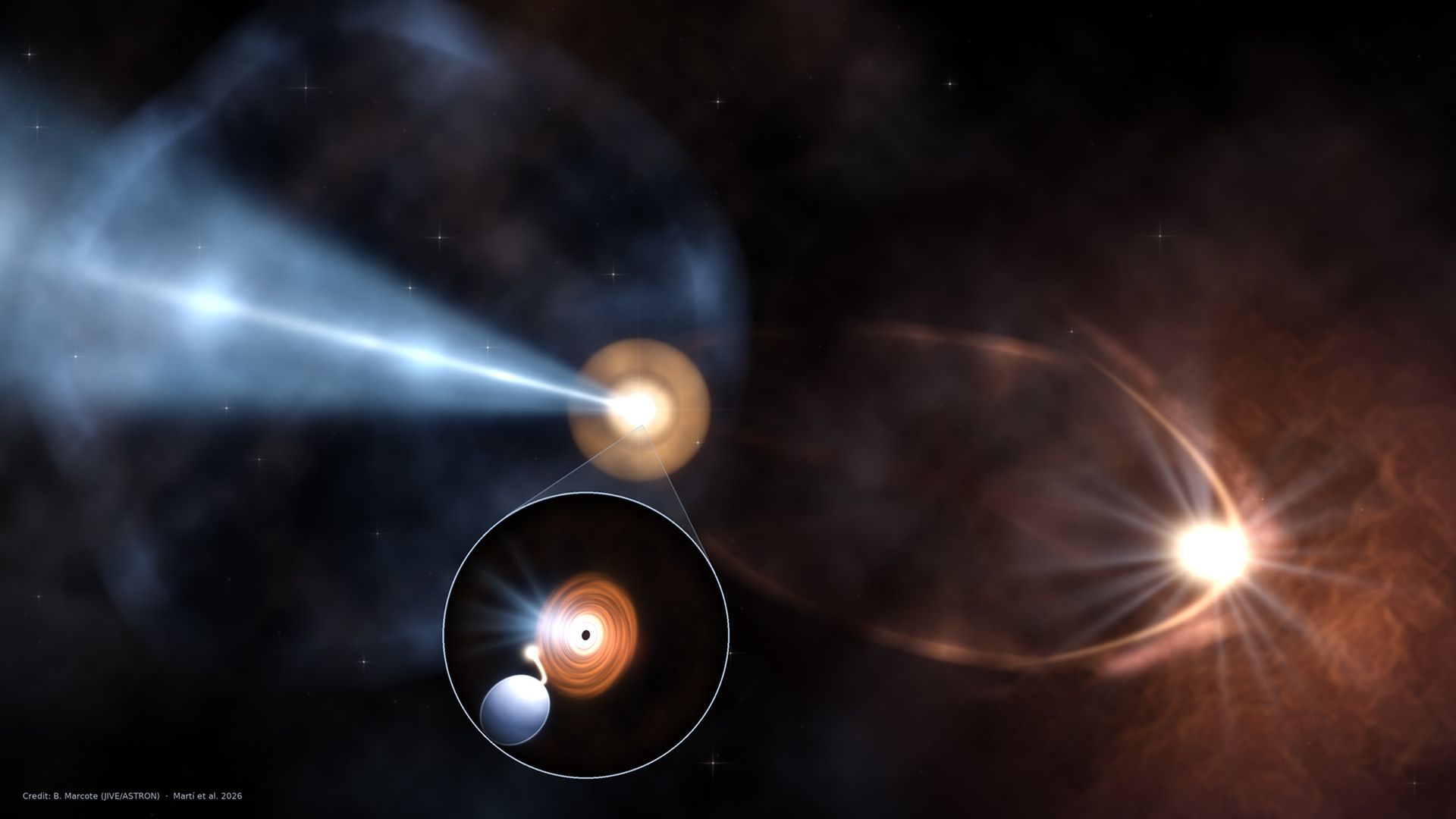
IceCube does this with ice. Builders melted holes through a cubic kilometer of Antarctic ice using jets of hot water. They then lowered long strings of light sensors into the holes, about a mile below the surface, where the ice is very clear. Nearly every high-energy neutrino passes straight through. Once in a while, one strikes an atom in a water molecule and sets off a shower of light. From the pattern of light the sensors record, physicists work out the neutrino's energy and the direction it came from. Some of these neutrinos are thought to be accelerated near the centers of distant galaxies.