Should healthy pregnant women get a COVID shot in 2026? Two doctors disagree
ICER's David Rind backs early third-trimester vaccination based on biologic plausibility. Vinay Prasad says that without randomized evidence, giving the shot is negligent.
Why it matters · Pregnant patients are choosing whether to get vaccinated without randomized data. This exchange sets out what evidence exists, where it is weak, and how two careful readers of the same studies end up with opposite advice.
Sensible Medicine ran a written debate, introduced by Adam Cifu, after Vinay Prasad said in an FAQ that a healthy pregnant woman in 2026 should "absolutely not" get a COVID-19 vaccine. David Rind, an internist at Beth Israel Deaconess and chief medical officer of the Institute for Clinical and Economic Review (ICER), disagreed.
Rind: small benefit, a plausible mechanism, and better timing
Rind says the mRNA vaccines saved lives in 2021, but most people now have some immunity, so the absolute benefit today is much smaller. ICER's July 2026 report estimated that vaccination might cut hospitalizations among younger adults from about 20–40 per 100,000 by roughly 6 per 100,000. For adults over 65, the estimate is a reduction of 75 hospitalizations and 22 deaths per 100,000. Rind calls the evidence that vaccination reduces transmission "relatively unconvincing."
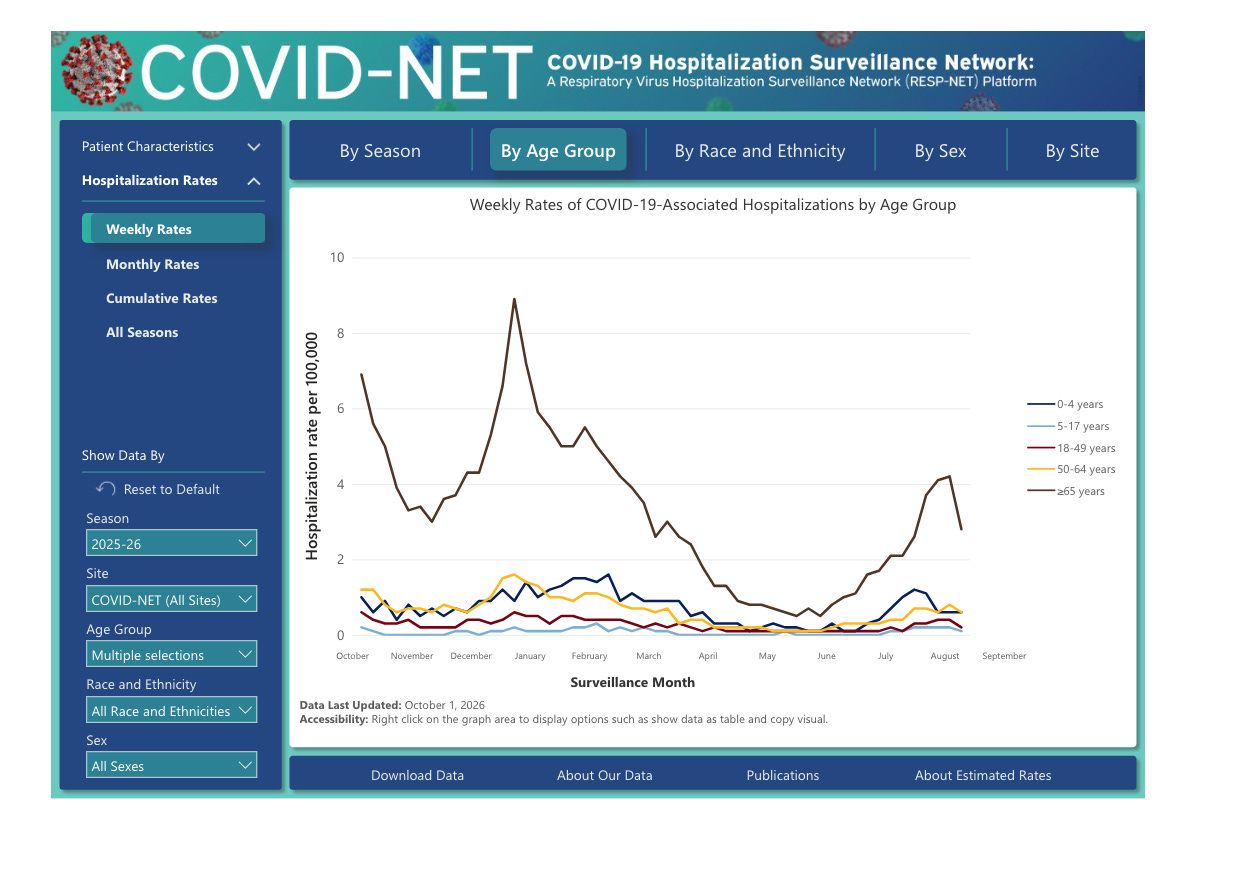
His case for pregnancy rests mostly on protecting infants under 6 months, who are hospitalized for COVID at higher rates than any age group until 75. He admits the support is , which ranks low as evidence. Vaccinating early in the third trimester gives the highest antibody levels in cord blood. Higher antibody levels track with better infant protection, a dose-response pattern. Observational data also show that flu and pertussis vaccines given in pregnancy protect young infants.