Keeping Tooth Stem Cells Young in the Dish · Morning Gist
Tuesday, October 131 story · 4 min
Keeping Tooth Stem Cells Young in the Dish
A quiet day with one story: an early, rat-only attempt to stop stem cells from aging in culture before they're used to rebuild gum-disease bone.
Picked from 76 new articles across 12 sources · arrow keys for other days
Today in 30 seconds
30s left
Researchers engineered dental stem cells to make extra IGFBP5, a protein that slowed the cells' aging in culture. story 1 ↓
Delivered in a hydrogel, the boosted cells regrew more of the bone and tissue lost to gum disease in rats. story 1 ↓
Why it matters: stem cells age while they're grown in the lab, which weakens therapies. This is one fix to try, but there's no human data yet. story 1 ↓
A worker at a Russian plague research lab has died, prompting explainers on how pneumonic plague spreads and how it's treated.
1/1Fight Aging!· Reason· Oct 9
Gene boost slows aging of dental stem cells used to regrow gum-disease bone in rats
Researchers found that dental stem cells produce less of a protein called IGFBP5 as they age. Adding extra IGFBP5 slowed that aging, made the cells better at forming bone and helped repair gum-disease damage in rats.
Why it matters · Cultured cells aging in the dish is a known weak point of stem cell therapies, and this is one concrete attempt to fix it. For now it is early, rat-only evidence.
Know this first
Context from the editor, not the article · 26 sec
1 · Periodontitis and bone loss
Periodontitis is chronic gum inflammation that destroys the ligament and jawbone holding teeth. It becomes more common with age, and current treatments mostly halt it. Regrowing lost bone and ligament remains difficult.
2 · Senescence in cell therapy
Stem cell therapies grow donor cells in the lab before transplanting them. Repeated division pushes cells into senescence, a permanent growth arrest. Senescent cells form tissue poorly and release inflammatory signals, which can weaken the therapy.
3 · IGFBP5 and Wnt signaling
IGFBP5 is one of six proteins that bind insulin-like growth factors and adjust their activity. It also acts in other ways. Wnt proteins steer bone formation through 'canonical' (β-catenin) and 'non-canonical' pathways.
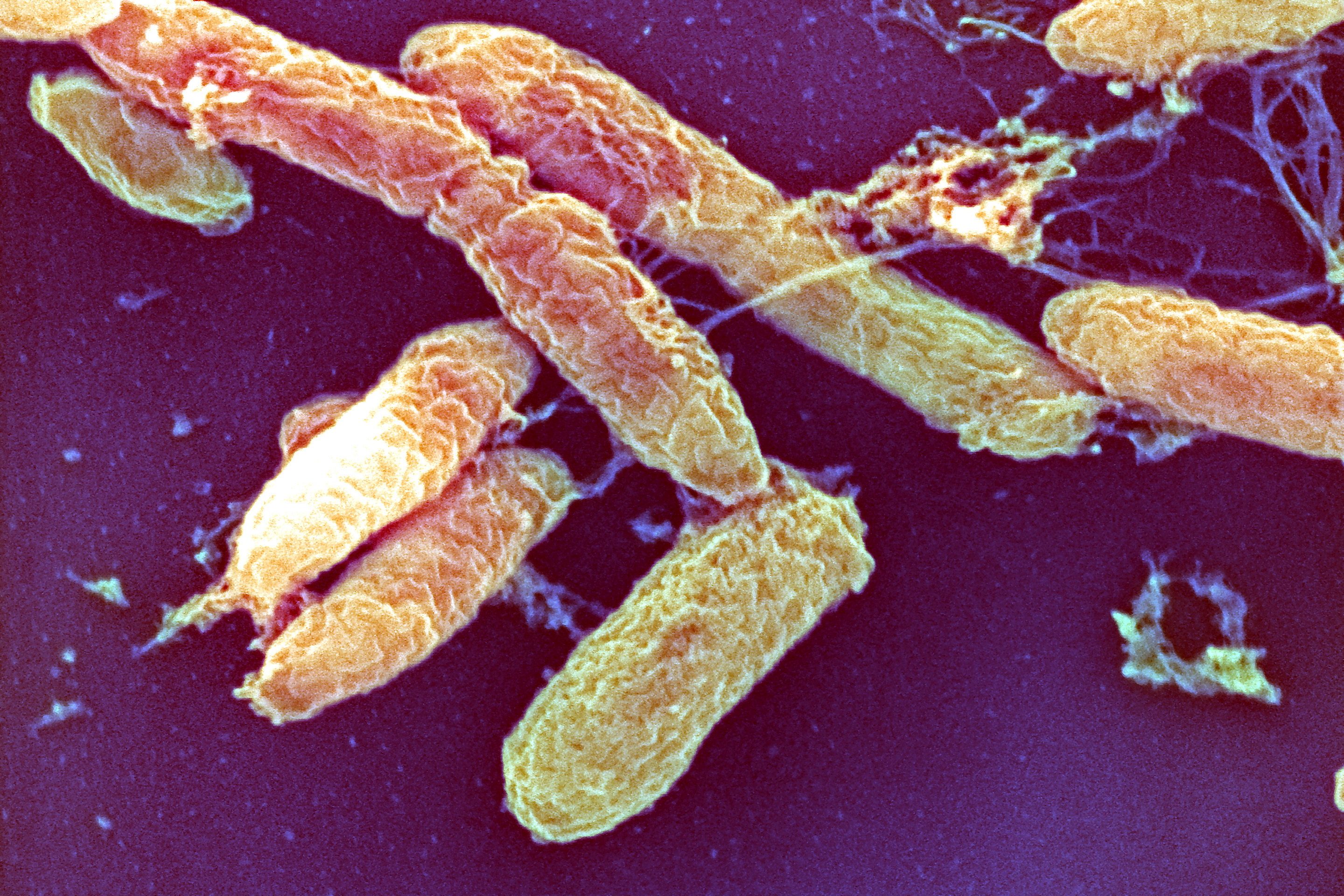
Image: Fight Aging!
Remember
Dental stem cells lose IGFBP5 both when they divide too often and when stressed with hydrogen peroxide.
Extra IGFBP5 slowed their senescence and boosted bone-forming ability, possibly through WNT5B, which the authors call only a 'potential' link.
The evidence is cell and rat data only, with no effect sizes in the source; the benefit of gel and gene isn't separated.
Researchers report that a protein called 1 helps keep dental stem cells from aging in the lab. Cells engineered to make more of it, delivered in a specially designed gel, improved repair of gum-disease damage in rats. The work appears in the International Journal of Oral Science. The source, Fight Aging!, quotes only the abstract, so no effect sizes are available.
The problem
2, the common form of gum disease, destroys the ligament and jawbone that hold teeth in place, and it becomes more common with age. One experimental fix is cell therapy with 3. These come from the tissue sac around a developing tooth that normally forms the ligament and bone.
To get enough cells, labs grow them through many rounds of division. That pushes cells toward 4, a permanent stop to division in which they form tissue poorly and release inflammatory signals. Reason, who writes Fight Aging!, notes that the regenerative medicine field increasingly sees this as a weak point.
What they found
The team aged DFSCs in two ways: by letting them divide repeatedly, and by exposing them to hydrogen peroxide, a quick way to cause oxidative damage. Either way, levels of IGFBP5 (insulin-like growth factor binding protein 5) fell sharply. IGFBP5 normally adjusts growth-factor signaling, and its effects vary by tissue.
When the researchers engineered cells to overexpress IGFBP5, the cells became senescent more slowly and were better at turning into bone-forming cells. The authors link this to 5. Wnt signals help direct bone formation, and "non-canonical" means the branch that does not work through the protein β-catenin. They name 6 as a "potential" downstream player. That wording points to a candidate, not a proven chain of cause and effect.
The rat test
They loaded the engineered cells into Gel-vHA@oe-DFSC, a water-based gel with embedded nanoparticles. The abstract doesn't explain the name's "vHA" part or what the nanoparticles do. In rats with periodontitis, this system made the cells work better and promoted regeneration of the tissues around the teeth.
Caveats
No numbers in the source: how much less senescence, how much bone regrew, how many animals.
The rat therapy changed both the cells and the delivery gel, and the abstract doesn't separate their contributions.
Rat periodontitis is induced quickly in young animals, which is quite different from slow, age-related disease in people.
Genetically modified cells face a higher safety and regulatory bar in humans.
This is early evidence for a broader idea: making cultured therapy cells resist senescence. It is not yet a treatment.
A team studying cell therapy for gum disease reports that dental follicle stem cells make less of the protein 1 as they age. Forcing them to make more slowed that aging and improved their bone-forming ability. Delivered into rats with periodontitis in a purpose-built gel, the engineered cells improved tissue regeneration. The paper is in the International Journal of Oral Science (DOI 10.1038/s41368-026-00463-2). Fight Aging! covered it by quoting the abstract with a short framing note, so the details below are limited to what that abstract says. No effect sizes were reported.
The problem: cells that age in the dish
2, the common form of gum disease, is chronic inflammation that breaks down the ligament and jawbone anchoring teeth. It becomes more common with age. Standard care such as deep cleaning and surgery can stop it getting worse, but reliably regrowing lost bone is still an open problem.
One approach under study is regenerative cell therapy using 3. These come from the dental follicle, the sac of tissue around a developing tooth that normally gives rise to the ligament and the surrounding bone. The authors call them "ideal seed cells" for periodontal repair.
The catch applies to most cell therapies. To get enough cells, labs expand them through many rounds of division. Cells that divide too often drift into 4, a permanent stop to division. Senescent cells are poor at becoming new tissue, and they secrete inflammatory signals. Reason, who writes Fight Aging!, notes that the regenerative medicine field is increasingly aware of this and has tried various fixes. So the practical question is whether the cells can be made to resist senescence while they are expanded.
What the team found
The researchers aged DFSCs in two ways:
Replicative senescence: letting the cells divide many times.
Oxidative stress: exposing the cells to hydrogen peroxide (H₂O₂), a standard lab method for inducing senescence quickly.
In both cases, the cells' expression of IGFBP5 (insulin-like growth factor binding protein 5) fell significantly. IGFBP5 belongs to a family of six proteins that bind insulin-like growth factors and control how much of their signal reaches cells. It also acts in ways that have nothing to do with IGF. The authors describe its effects as "complex and context-dependent." Its role in DFSC senescence had not been defined before.
Next they overexpressed IGFBP5, engineering the cells to make more of it. According to the abstract, this "alleviated cellular senescence" and "enhanced 5," meaning the cells were more inclined to become bone-forming cells. In Reason's summary, the cells became senescent more slowly. That is a slower decline, not a reversal.
The proposed mechanism
The team links the effect to 6. Wnt proteins are signaling molecules central to bone development. The canonical Wnt pathway acts through a protein called β-catenin. Non-canonical pathways bypass β-catenin and instead govern things like cell polarity, movement and calcium signaling. The researchers identified 7, a ligand usually associated with non-canonical signaling, as a "potential downstream regulator" carrying IGFBP5's pro-bone effects.
The wording is cautious. "Linked to" and "potential" suggest WNT5B is a candidate supported by the data, not a fully proven causal chain. The abstract does not say which experiments support it, for example whether blocking WNT5B cancelled the benefit of IGFBP5.
From dish to rat
To test the idea in an animal, the team built Gel-vHA@oe-DFSC. It is a 8, a water-swollen polymer scaffold, with nanoparticles embedded in it, carrying the IGFBP5-overexpressing DFSCs ("oe-DFSC"). The abstract doesn't say what "vHA" stands for or what the nanoparticles do. HA often means hyaluronic acid in biomaterials, but the article doesn't confirm that here. In a rat model of periodontitis, the system "enhanced the therapeutic efficacy of DFSCs and promoted periodontal regeneration."
How much weight to give this
This is a mechanistic study plus an animal proof of principle. Several limits matter:
No numbers in the source. The abstract gives no figures for how much senescence dropped, how much bone formed, or how many rats were used, so the size of the effect can't be judged here.
Two changes at once. The rat therapy changes both the cells and the delivery system. The abstract doesn't separate how much of the benefit comes from IGFBP5 and how much from the gel.
Rat periodontitis is induced, usually by tying a ligature around a tooth or applying bacteria. It develops over weeks, not decades, in young animals. That is a long way from age-related gum disease in people.
Genetic modification raises the bar for use in people. Engineered cells face more safety and regulatory scrutiny than unmodified ones. Long-term effects of extra IGFBP5, including on how cells grow, would need study. IGF signaling is tied to cell proliferation.
"Bone aging" framing. The authors open with the goals of delaying aging and treat periodontitis as an age-related bone disorder. The work itself is about keeping therapy cells healthy in culture. It does not show anything about slowing aging in the patient.
The broader point stands apart from this one protein. Senescence in expanded cell batches is a quality problem for many cell therapies. Finding the molecular switches that change as cells age in culture, and pushing them back, is one strategy. Others include shorter expansion protocols, younger cell sources and drugs that clear senescent cells. Whether IGFBP5 is a useful lever will depend on independent replication, effect sizes and eventually human trials, none of which exist yet.