Venice built the first ghetto because it couldn't do without its Jews
Alexander Lee traces how a foundry dump in Cannaregio became a word for segregation, through 150 years of expulsions, war and credit crises.
Why it matters · The essay shows a world-changing institution coming out of many small, contested and reversible decisions rather than a plan. Lee argues that this pattern is the real warning for the present.
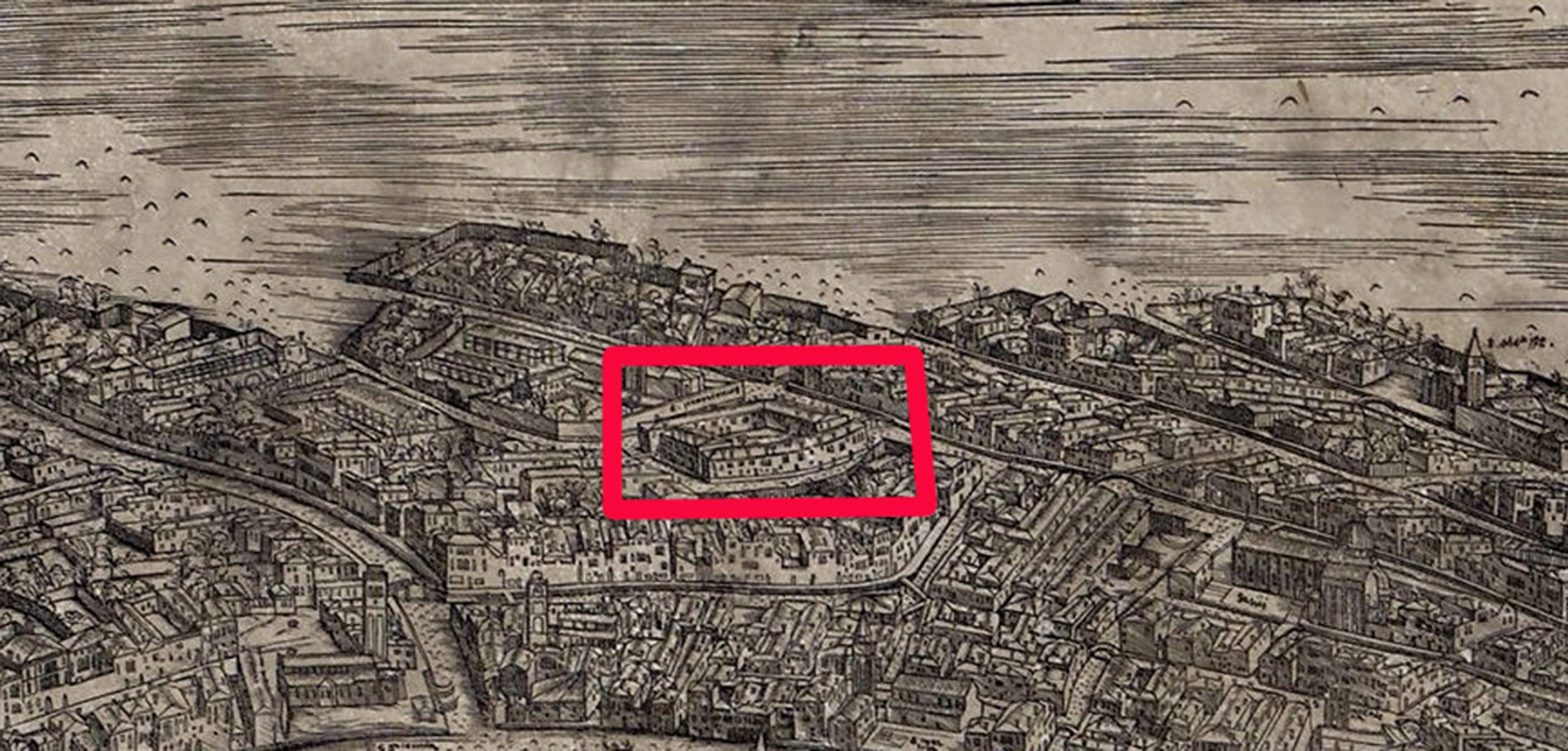
On 29 March 1516 the Venetian Senate ordered every Jew in the city onto the geto novo, a small island in Cannaregio that had once been the dump for the communal copper foundry. The doors and windows facing outward were blocked up. Iron gates closed at sunset and opened again at the morning marangona bell. Four guards patrolled the canals day and night, and the Jews themselves had to pay them.
Separate Jewish quarters were not new. France and the German lands had had them for nearly 300 years, and Venice had already segregated the Jews of Candia in Crete. Alexander Lee argues that what was new was the name. Geto comes from gettare, "to cast", and simply meant foundry. Because people used it the way we use "the White House", for both the place and the institution, it could travel. Older names like Judengasse were tied to a particular street. "Ghetto" was applied to Rome around 1562 and to Florence within a decade. After Napoleon it spread to American migrant slums and then to Nazi-occupied Poland.
Prejudice versus credit
Lee's main argument is that the Ghetto was an improvised compromise between religious hostility and economic need. German Jews fleeing persecution after the Black Death settled in Mestre and found a niche in . Church law banned usury between Christians, and big lenders got around it by dressing loans up as "partnerships". A sailor borrowing 2 ducats had no such workaround. The Fourth Lateran Council banned usury only between people of the same faith, which left Jews able to fill the gap.