Nobel goes to optogenetics, which uses algal light sensors to switch neurons on and off
Hegemann, Nagel and Deisseroth share the 2026 physiology prize for turning a pond alga's light-gated ion channels into a way to control specific brain cells.
Why it matters · Optogenetics changed how neuroscience learns what a given cell type does. The prize also shows how a basic question, how pond scum finds light, became a standard lab method.
The 2026 Nobel Prize in Physiology or Medicine goes to Peter Hegemann, Georg Nagel and Karl Deisseroth for developing optogenetics, which uses light to switch on or silence nerve cells chosen by the genes they express.
The problem it solved
Neuroscientists had mapped which genes are active in which populations of neurons. They could also delete those neurons genetically and watch what changed. That method has limits. The brain can adapt to losing cells, and removing cells early in development can change how their partner neurons grow. The better test is to turn specific neurons on and off in an otherwise intact brain.
Nerve impulses depend on ion channels, membrane proteins that let charged atoms through only under certain conditions. Earlier attempts to take control of them never caught on. They needed several inserted genes, special chemicals, or lasers strong enough to damage cells.
From algae to mice
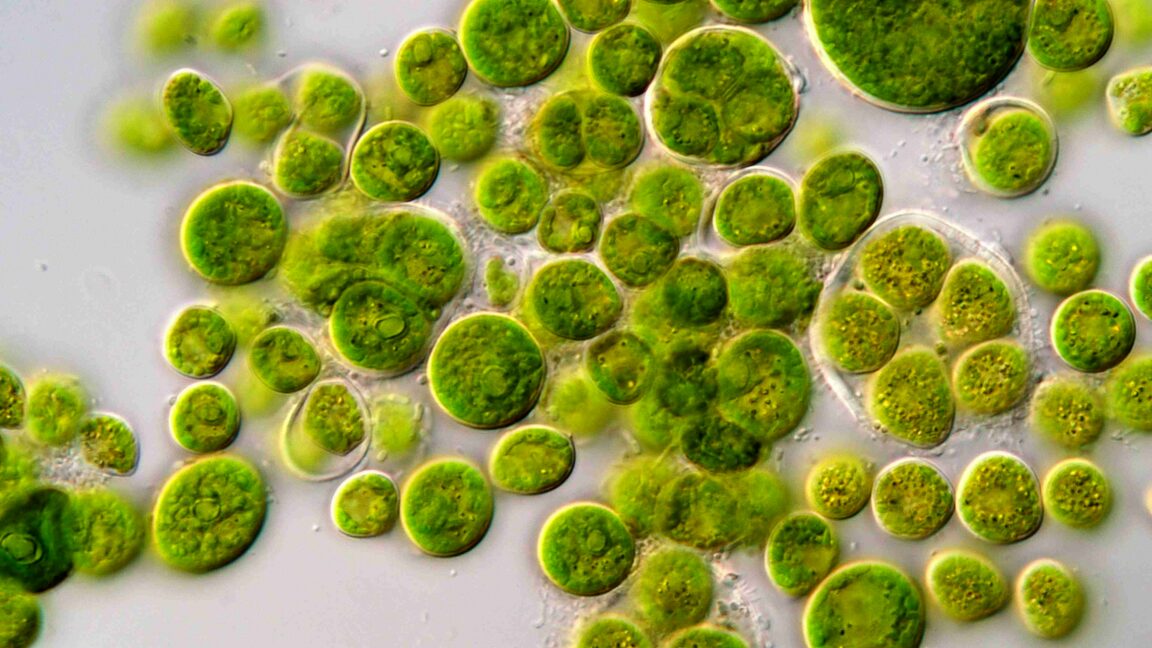
The answer came from Chlamydomonas, a single-celled alga with an eye spot that steers it toward light. At Humboldt University in Berlin, Hegemann attached an electrode to the alga and found that a flash of light set off a very fast influx of ions. He found two genes that resembled a light-activated ion pump from archaea. Blocking them with RNA interference reduced the light-triggered current, which tied them to the effect.
Working with Nagel, an ion-flux expert at Würzburg, Hegemann showed that one protein lets only protons through while the other passes a range of positive ions. The two respond to somewhat different wavelengths. Both sense light with a vitamin A relative, as the receptors in our eyes do. The class is now called . Nagel showed they work in frog embryos and cultured human cells, and that shining light on worms carrying the genes changed their behavior.