Headless Worms and Ultrasonic Moth Genitals · Morning Gist
Wednesday, November 45 stories · 16 min
Headless Worms and Ultrasonic Moth Genitals
Today's science tests old assumptions, from how brains evolved to what Inca mummies consumed, how white dwarfs shred asteroids and what Mars radiation does to hearts.
Picked from 32 new articles across 10 sources · arrow keys for other days
Today in 30 seconds
30s left
Panther worms still hunt shrimp after losing half or even 80 percent of their head, an unreviewed preprint on brain evolution reports. story 1 ↓
All eight Inca sacrificial mummies tested carried cocaine; four carried alcohol and one harmine, suggesting the ritual varied by place. story 2 ↓
Of 143 hawkmoth species tested, 77 make genital ultrasound against bats, a defense that evolved up to seven separate times. story 3 ↓
White dwarf tides split asteroids into 0.1–1 km chunks, not dust, a study finds, so something else, probably collisions, makes the dust. story 4 ↓
Simulated Mars-trip radiation doubled heart scarring in rats a year later; simulated weightlessness alone did not cause it, but lowered key immune cells. story 5 ↓
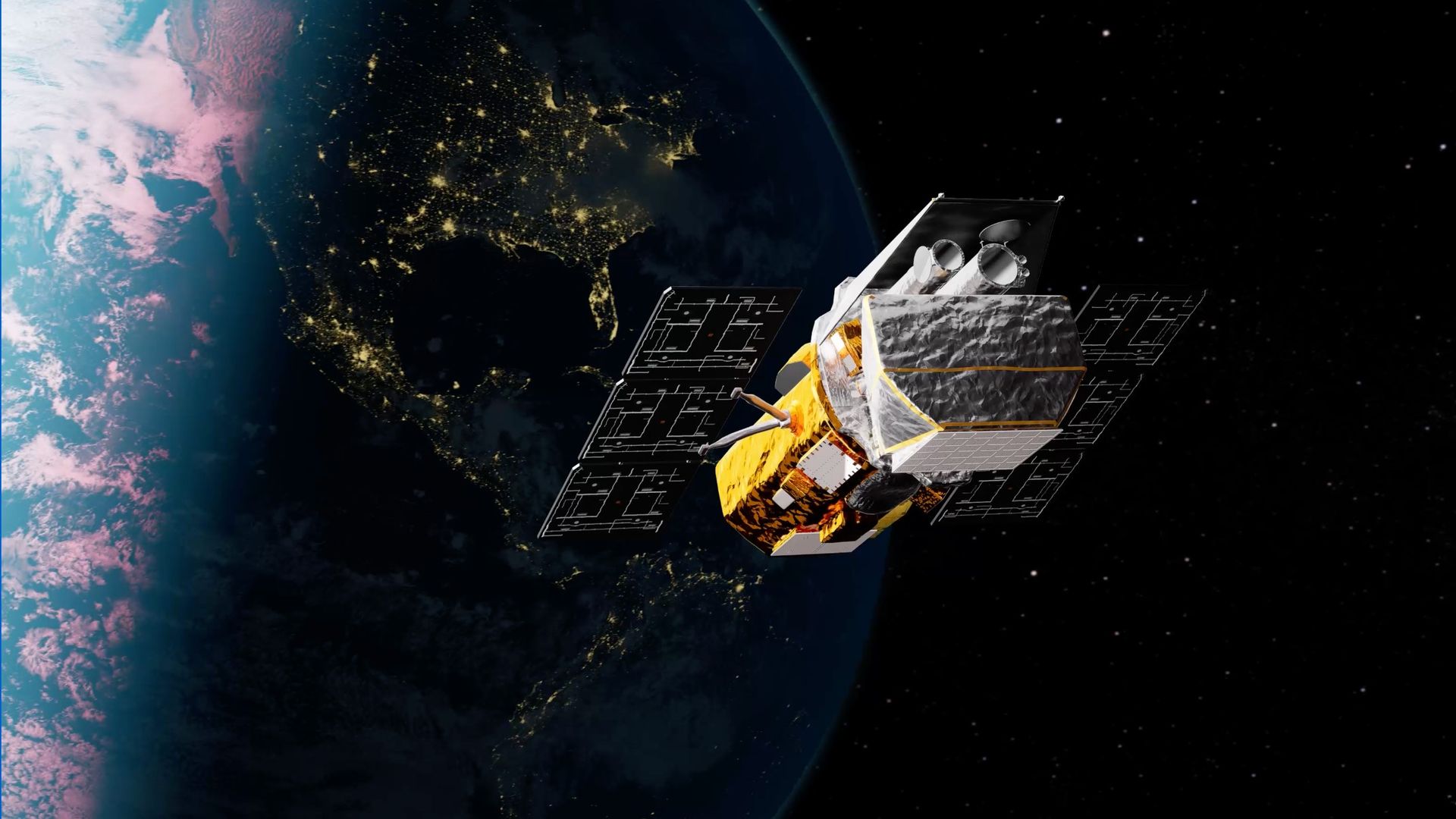
NASA's 3,200-pound Swift Observatory is expected to reenter the atmosphere after a private rescue failed; most should burn up.
1/5The Transmitter· Sarah DeWeerdt· Nov 4
A worm's undivided brain suggests brains centralized before forming specialized regions
Harvard researchers report in a preprint that the rice-grain-sized panther worm has a dense brain with no specialized regions and can hunt after losing most of it, hinting that brains may have centralized first.
Why it matters · It challenges the more commonly proposed order of events in brain evolution and asks whether complex behavior needs specialized regions, though the evidence is still an unreviewed preprint.
Know this first
Context from the editor, not the article · 31 sec
1 · From nerve nets to brains
Animals such as hydras have nerve nets, diffuse meshes of neurons where signals spread in all directions. Insects and mammals have brains: neurons concentrated in one place and divided into regions with distinct jobs. How one became the other remains unresolved.
2 · The bilaterian family tree
Bilaterians are animals with matching left and right sides, including worms, insects and humans. A group that branched off near the base of their tree can offer clues about early traits, though it has kept evolving ever since.
3 · Damage as a brain map
2/5Scientific American· Nov 3
Hair tests show Inca sacrificial children were given cocaine, alcohol and harmine
Researchers tested hair and nails from eight Inca mummies. All had been given cocaine, four alcohol and one an ayahuasca-linked compound, which the team reads as a sacrificial ritual that varied by location.
Why it matters · It shows how chemical traces in hair and nails can test claims about a ritual that written records describe only partly, while also showing how far eight bodies can stretch.
Know this first
Context from the editor, not the article · 29 sec
1 · The capacocha ritual
The Inca Empire ruled much of western South America from the 13th to 16th centuries. In times of crisis such as famine or drought, it sacrificed children and young women, who were meant to carry messages to the gods.
2 · Why mummies preserve evidence
Cold, dry mountaintop burial can preserve bodies for centuries. Hair and nails are especially useful because they trap traces of substances circulating in the body as they grow, leaving a chemical record that can outlast soft tissue.
3 · What ayahuasca contains
Ayahuasca is a traditional Amazonian brew, usually combining a Banisteriopsis vine with leaves containing the hallucinogen DMT. The vine's compounds, such as harmine, stop the gut from breaking DMT down, which allows it to work when swallowed.
3/5Science News· Elie Dolgin· Nov 4
Hawkmoths evolved genital ultrasound against bats up to seven separate times
A study of 143 hawkmoth species found that 77 make ultrasound by scraping genital scales against their abdomens, a bat defense that arose four to seven separate times using three different anatomical setups.
Why it matters · It shows how one persistent predator can drive repeated, independent solutions, and it suggests nighttime acoustic battles between bats and insects are more varied than researchers assumed.
Know this first
Context from the editor, not the article · 28 sec
1 · How bats hunt
Most insect-eating bats echolocate: they emit high-pitched calls and locate prey from the returning echoes. Anything that interferes with those echoes in the final moments of an attack can make the bat miss.
2 · Insects that answer back
Earlier studies found that tiger moths, geometer moths, fruit-piercing moths, some beetles and fireflies make ultrasound during bat attacks. Depending on the species, such sounds may warn of bad taste, startle the bat or disrupt its sonar.
3 · Convergent evolution
Unrelated lineages facing the same pressure can arrive at similar solutions independently, as birds and bats both evolved wings. Researchers detect this by mapping a trait onto a family tree and estimating how many times it arose.
4/5Universe Today· Evan Gough· Nov 3
White dwarf tides break asteroids into kilometer-size chunks, not dust, study finds
Modelling asteroids with their slight natural cohesion, researchers found white dwarf gravity shreds them only to pieces 0.1–1 km wide. A further process, probably collisions, must grind those pieces into the dust astronomers see.
Why it matters · Polluted white dwarfs are among the few ways to measure what rocky bodies around other stars are made of, so the path from asteroid to dust matters.
Know this first
Context from the editor, not the article · 27 sec
1 · Polluted white dwarfs
White dwarfs are the dense cores left by Sun-like stars. Heavy elements should sink out of sight in their atmospheres, so metals seen on their surfaces point to recently delivered material, likely from rocky bodies.
2 · Tidal disruption
Gravity weakens with distance, so a massive object pulls an asteroid's near side harder than its far side. Close enough in, this stretching exceeds what holds the body together, and it comes apart.
3 · Rubble-pile asteroids
Many small asteroids are not solid rock but loose collections of boulders, pebbles and grains held together mostly by weak gravity. Spacecraft that returned samples from Itokawa, Ryugu and Bennu all found this kind of body.
5/5Live Science· Helena Kudiabor · Nov 3
Simulated Mars-trip radiation doubled heart scarring in rats a year later
Researchers gave rats a size-scaled dose of simulated cosmic radiation matching a Mars round trip. After 360 days, they had twice the scarring around small heart vessels. Whether this applies to humans remains unknown.
Why it matters · No crew has spent long periods in deep-space radiation, so animal studies like this are among the few ways to estimate delayed risks before a Mars mission.
Know this first
Context from the editor, not the article · 27 sec
1 · Galactic cosmic rays
Fast-moving atomic nuclei from beyond the solar system. Earth's magnetic field and atmosphere block much of this radiation, but crews travelling to Mars would lose that protection, and spacecraft walls stop only part of it.
2 · Cardiac fibrosis
Scar tissue builds up in the heart, usually as a response to injury. Scar is stiffer than healthy muscle, so a heart with too much of it may not relax and fill properly between beats.
3 · Why researchers use rats
Rats live only a few years, so researchers can watch delayed disease develop within a single study. Scientists also mimic weightlessness on the ground by suspending rats' hind legs, taking weight off those limbs.
Neuroscientists have long learned what brain areas do by studying damage. If injuring one spot reliably causes one specific deficit, that spot probably supports that function. Predictable deficits are therefore strong evidence that a brain is divided into specialized regions.
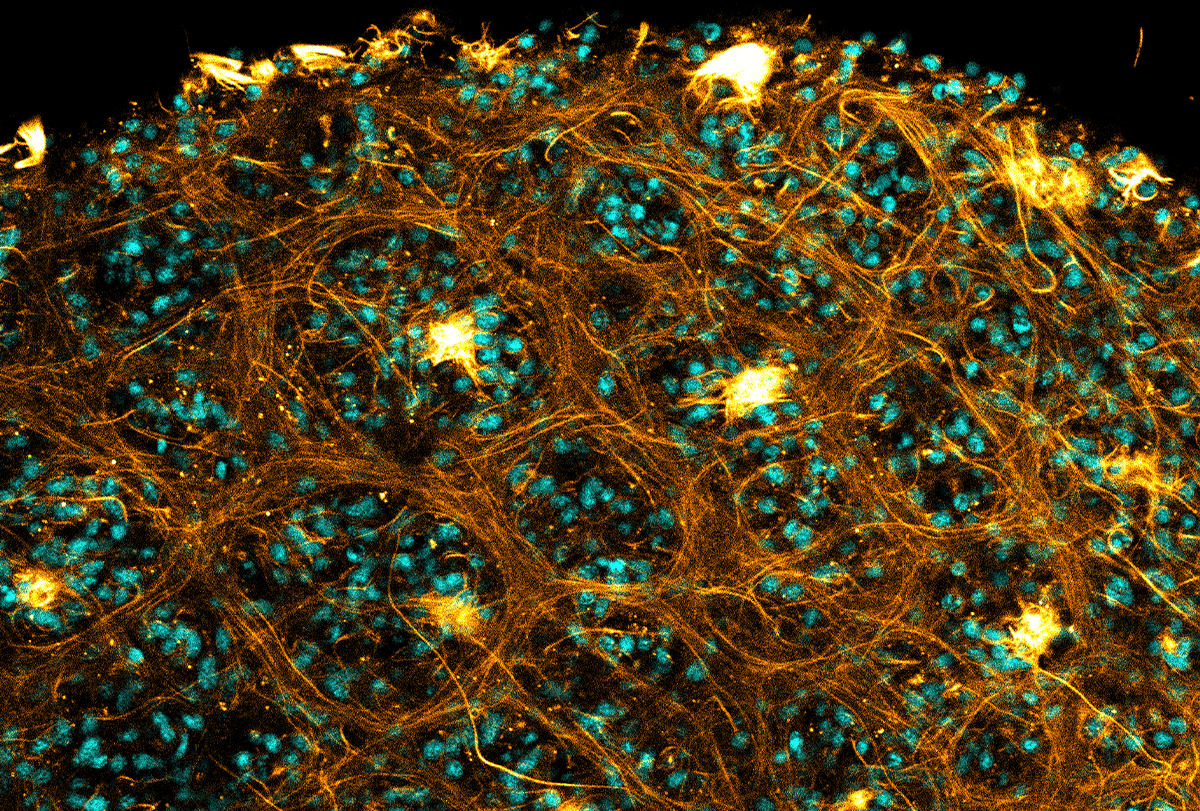
Micrograph of the worm's brain: cell clusters and sensory neurons sit among parallel fiber bundles, without obvious subdivisions.
A worm the size of a grain of rice can hunt shrimp after losing half its head, and sometimes 80 percent of it. Researchers at Harvard say that tolerance reflects something unusual: a brain with no specialized regions.
The work comes from Mansi Srivastava's lab and postdoctoral researcher Vikram Chandra. It appeared this year on 1, a server for studies not yet peer reviewed, so these are preliminary results. The details here come from an interview with The Transmitter rather than the preprint's data.
The evolutionary puzzle
Early nervous systems were probably simple 2, in which signals flow in all directions. Brains later concentrated neurons in one place and divided them into regions with specific jobs. That means two changes: centralization and 3. Srivastava says more proposals have put regionalization first.
The three-banded panther worm, Hofstenia miamia, is relevant because of where it sits on the tree of life. It belongs to the 4, animals with matching left and right sides, including insects and humans. Its lineage split off about 550 million years ago, near the group's base.
What cutting reveals
Srivastava's lab has long studied the worm's ability to regrow its entire body from a fragment. Chandra adapted those cutting methods to study its nervous system.
In a vertebrate or insect, he says, damaging a specific brain area produces a predictable, specific defect. Hofstenia shows no such pattern. Large, arbitrary portions of its brain can be removed and the animal seems fine. The team also reports finding no anatomical, functional or molecular divisions within the dense cluster of neurons in its head.
As a rough analogy of ours, picture a company's staff moving from across a city into one building, but not yet forming departments. Sending half of them home would not eliminate any one function.
What it might mean
The researchers propose that brains could have centralized first and regionalized later. Chandra calls the worm's brain "at least a plausible intermediate state" and says the first brains may have looked something like it. He also argues that complex behavior does not require regions, pointing to the worm's fast-paced hunting and complicated reproductive behavior.
The caveats
A living worm is not an ancestor. Its lineage has had 550 million years to change, and its brain could in principle be a later simplification, a possibility the article doesn't address. Chandra's own wording also leaves room for subtle specialization or deficits: no regions "that we can find," and fine "as far as we can tell." The article gives no hunting success rates or sample sizes.
Chandra will open a lab at London's Francis Crick Institute next March to ask how this brain is wired and how it computes.
A tiny marine worm may change how biologists think about the origin of brains. In a preprint posted to 1 this year, a server for studies that have not yet been peer reviewed, Mansi Srivastava's lab at Harvard University describes the brain of the three-banded panther worm, Hofstenia miamia. The brain is a dense cluster of neurons in the head, yet the team can find no regions within it. In an interview with The Transmitter, Srivastava and her postdoctoral researcher Vikram Chandra argue that this hints at a new sequence for brain evolution: concentration first, specialization later.
These are first results, and this account comes from the interview rather than from the preprint's data.
The problem
At some point in animal evolution, simple 2, in which signals flow in all directions, gave way to brains divided into regions with specific functions. That transition involves at least two changes. Centralization gathers neurons into one place. Regionalization divides them into areas that do different jobs.
Which came first is hard to establish because the earliest nervous systems are not available for direct study. Biologists have to reason from living animals and their positions on the evolutionary tree. Srivastava says more proposals have favored regionalizing first and centralizing afterward.
Why this worm
Hofstenia is about the size of a grain of rice, with three light stripes across its back and a voracious appetite for tiny invertebrates. It belongs to the 3, a class of flatworm-like invertebrates. It also belongs to the 4, animals with matching left and right sides, a group that includes roundworms, insects, mice and humans. Its lineage split from those other groups about 550 million years ago, near the very base of the bilaterian tree.
Srivastava did not begin with brains. She wanted to study how regeneration evolved, and needed a species distant from 5, the flatworms usually used in such research. Acoels were promising, but no ideal lab species existed. Ulf Jondelius, an acoel expert at the Swedish Museum of Natural History, recommended this one. Her team collected the worms in Bermuda, using coordinates listed in an older paper.
The worm turned out to be an unusually practical 6, meaning a species that researchers can raise and manipulate in the lab. It lives in artificial seawater in plastic boxes, lays eggs on the box walls and needed no special equipment during the lab's first nine years. It can also regrow its entire body from a fragment. Chandra adapted those cutting methods to study the nervous system.
What the cutting shows
The logic rests on a basic expectation. Chandra says that lesioning a specific part of a vertebrate or insect brain produces a predictable, specific defect. If a brain has regions with distinct jobs, removing one should remove its job.
Hofstenia breaks that pattern. Chandra says the team can amputate "arbitrary large fractions" of the brain and the animal seems fine. It can successfully hunt shrimp when missing half its head, or sometimes 80 percent.
The researchers also report finding no anatomical, functional or molecular 7. So three kinds of search came up empty: no visible subdivisions, no location-specific functions and no molecular signature marking separate areas. Microscopy shows cell clusters and sensory neurons interspersed among bundles of neurites, the fibers that extend from neurons, running through the 8, a dense tangle of those fibers.
A rough analogy, ours rather than the researchers': a nerve net is like staff scattered across a city, and a regionalized brain is like staff in one building with a department on each floor. Hofstenia would be everyone in one building with no departments. Sending half of them home does not eliminate any particular function.
The argument
Chandra's proposal is deliberately modest. Given the worm's position on the tree and its brain architecture, he calls it "at least a plausible intermediate state." Condense an ancient nerve net into the head without assigning cell types to particular locations, and you would get something like this brain. "Maybe" that is what the first brains looked like, he says.
There is a second claim, about behavior. Chandra argues that features taken for granted in bilaterian brains, such as regionalization, are not needed for complex behavior. He describes the worm's hunting as sophisticated and fast-paced, and its reproductive behavior as pretty complicated.
Reasons for caution
The worm is a living species, not an ancestor. Its lineage has had about 550 million years to change, so an undivided brain could in principle be a later simplification rather than an ancient holdover. The article does not address that possibility, which is why the researchers' word "plausible" matters. The worm's place on the tree has also been debated: some analyses have placed acoels closer to groups such as sea urchins than to the base of the bilaterians, which would weaken the inference.
The negative result has limits as well. Chandra's wording is that no regionalization has been found "that we can find" and that the animal is fine "as far as we can tell." Subtle specialization or subtle deficits could escape the tests used. The article gives no hunting success rates, sample sizes or timing, so it is unclear how the injured worms compare with intact ones, or whether regrowth contributes to their recovery.
What comes next
The biggest open question is how such a brain works at all. Chandra will start a lab at the Francis Crick Institute in London next March to study Hofstenia and perhaps other acoels. He wants to learn the brain's wiring architecture, how it computes and how it controls behavior, starting with the most complicated thing a worm can do and then seeking its neural mechanism.
Srivastava is moving toward embryos, where her team has found striking plasticity and robustness in cells throughout development. She wants to understand how that embryonic flexibility relates to regeneration in adults.
Remember
Damage is the key test: in regionalized brains, specific lesions cause specific deficits, but this worm shows no such pattern.
The worm shows what an intermediate brain could look like, not what ancestral brains definitely looked like.
If hunting needs no detectable regions, the unexplained part shifts to how this brain's wiring produces behavior.
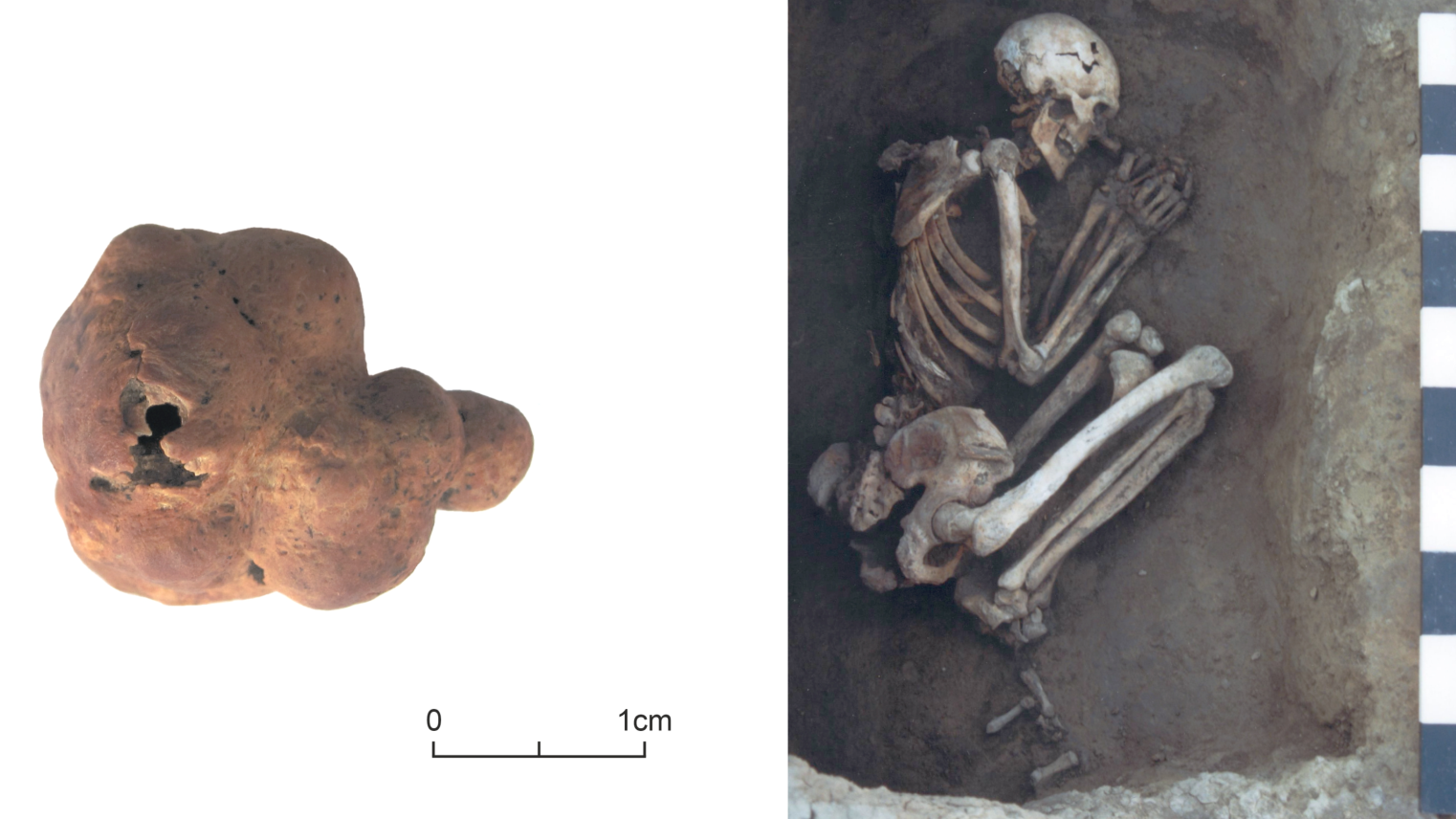
Mummified remains of Inca individuals used in ritual sacrifices, from the Antiquity study by Socha and colleagues.
Children sacrificed by the Inca were drugged beforehand with more than coca, according to a peer-reviewed study in the journal 1. Tests on eight mummies from sacrificial sites in Peru and Argentina found cocaine in all of them, alcohol in four and 2, a compound linked to the hallucinogenic brew 3, in one.
The ritual and the gap
The ceremony, called 4, was held to restore stability after events such as famine or drought. Children and young women were taken to Cusco, the imperial capital, or to temples and oracles, then killed as messengers to the gods.
Earlier studies had established that the victims received coca leaves, the source of cocaine. Tests for other psychoactive substances were largely inconclusive or negative. Archaeologist Dagmara Socha of the University of Warsaw and colleagues tried again, saying that recent advances in 5, the science of detecting drugs and poisons in the body, can now pick up much lower concentrations.
What the tests found
The team sampled hair and nails, and every body held at least one intoxicant.
Cocaine, all eight. Each body also held 6, a chemical the body makes when it metabolizes cocaine. The drug may have helped the children cope with altitude sickness and fatigue on the climb.
The team's interpretation
Socha argues that these differences show the capacocha "was not a single standardized ritual" and that the Inca adapted it to different cults and local religious traditions.
That is a reasonable hypothesis, but eight bodies are a thin base for it, and one positive result can't establish a local custom on its own. A negative test also doesn't prove a child received nothing, as the authors acknowledge that current methods may miss some substances.
The word "hallucinogen" also deserves care. Ayahuasca's main hallucinogen is usually 10, while harmine's best-known role is to make DMT active when swallowed. The report doesn't say whether DMT was found, so harmine in one body points to a Banisteriopsis preparation, not necessarily a full ayahuasca brew or a hallucinogenic experience.
A study published in the peer-reviewed journal 1 adds new chemical detail to one of the best-known Inca rituals. Toxicology tests on eight mummies from sacrificial sites in Peru and Argentina found cocaine in all eight, alcohol in four and 2, a compound associated with the hallucinogenic brew 3, in one. Archaeologist Dagmara Socha of the University of Warsaw, who led the work, reads the differences as evidence that the ritual was adapted to local religious traditions.
The ritual
The ceremony was called 4. Under the Inca Empire, which spanned a large part of western South America from the 13th to the 16th centuries, children and young women were regularly sacrificed to important gods as messengers between the living and the deities. The rituals were meant to restore stability after events such as famine or drought. Those chosen were first taken to Cusco, the imperial capital, or to temples and oracles across the territory.
Part of the preparation involved psychoactive plants. Previous studies had found coca leaves, the plant source of cocaine, but tests for other substances had been largely inconclusive or negative. That left a basic question open: were coca's traces the whole story, or had older methods simply been unable to see the rest?
How the evidence was gathered
Socha's team analyzed hair and nail samples from the eight bodies. Their stated goal was to find a broader range of psychoactive substances and to see whether patterns of use differed by location. Socha credits advances in 5, the science of detecting drugs and poisons in the body, with making it possible to identify low concentrations.
As a matter of general forensic science, not a detail from this report, hair and nails suit this kind of work because compounds in the bloodstream become locked into them as they grow. Scalp hair grows roughly a centimeter a month, so, for illustration, a 10-centimeter strand could span around 10 months of exposure. The report doesn't describe the laboratory method or whether samples were divided to build a timeline, and it doesn't give concentrations.
What turned up
Every body contained at least one intoxicant.
Cocaine and 6 appeared in all eight. Benzoylecgonine is a chemical the body produces as it metabolizes cocaine, so finding it alongside the drug supports the idea that the children's bodies had processed cocaine. The drug may have helped them deal with altitude sickness and fatigue as they climbed the mountains where the sacrifices took place. That purpose is an inference; the chemistry shows exposure, not motive.
Alcohol appeared in four. It likely came from 7, a beer made from maize. Historical records say chicha was given to calm the children during the ceremony's final stages, so here the chemical result and the written sources fit together.
Harmine appeared in one. Harmine had been found at one of the sites before, alongside a related compound, 8. Both occur in ayahuasca. "Harmine is an 9 associated with 10 species, one of the principal plants traditionally used in the ayahuasca beverage," Socha said, adding that it may indicate that a harmine-containing drink "had a specific role in ceremonies connected with this particular sacred mountain." An alkaloid is a nitrogen-containing plant compound, a family that includes cocaine.
From chemistry to religion
The study's larger claim is about the ritual itself. "What we are seeing is that the capacocha was not a single standardized ritual," Socha said, "but rather, the Incas appear to have adapted it to different cults and local religious traditions." According to the report, the results suggest that the ceremony could vary by geography and by the god being venerated.
This is an interpretation, and the sample limits how far it can go. With eight bodies spread across several sites, each location can contribute only a few individuals, and the report doesn't break down which substances appeared where, apart from tying the harmine to one mountain. A difference between bodies could reflect place or deity, as the team proposes. It could also reflect differences in individual treatment, in the timing of doses, or in how well traces survived, possibilities the report doesn't address. The authors also accept that additional substances may have been given that current technology can't detect, so a negative result is weak evidence of absence.
How much "hallucinogen" is really here
The headline framing goes further than the single harmine finding can support. In traditional ayahuasca, the main hallucinogen is generally 11, which comes from a companion plant. Harmine's best-known role is to block the enzymes that would otherwise destroy DMT in the gut. The report doesn't say whether the team found DMT. So one positive body suggests exposure to a Banisteriopsis preparation, but doesn't by itself show that a child drank a complete ayahuasca brew or experienced hallucinations.
What remains open
The firmest results are the universal cocaine signal and the alcohol signal that matches historical accounts. The idea of locally adapted rituals is plausible but will need more bodies and more sites to test. So will the possibility that harmine use was tied to one mountain. As Socha notes, some 500 years on, new techniques are still extracting information from these remains, and further improvements in detection could change what today's negative results appear to show.
Remember
Better detection can revive old questions: earlier tests beyond coca were largely inconclusive or negative, but lower detection limits changed that.
Chemical traces can show exposure, but why children were dosed comes from inference and historical records.
Negative results here are weak evidence, since the authors accept that some substances may remain undetectable.
When a bat closes in, some hawkmoths respond by scraping their genitals to produce bursts of ultrasound. A new peer-reviewed study in the 1, a biology research journal, finds this odd defense evolved not once but at least four and possibly seven separate times.
The problem
2, also called sphinx moths, are a family of about 1,600 mostly nocturnal species that hover at flowers like hummingbirds. They are tasty prey for bats, which hunt by 3: calling at high pitch and locating insects from the echoes.
Earlier work by Jesse Barber, now at the American Museum of Natural History, and Akito Kawahara of the Florida Museum of Natural History showed that many hawkmoths make 4 clicks by scraping their genitalia, like a fingernail along a comb. How varied that equipment was, and how it evolved, was poorly understood.
What they found
The team, including Florida museum biologist Paul Masonick, recorded male hawkmoths responding to bat calls and took high-resolution images of preserved specimens from an overlapping set of species. Females were left out because their sound-making is too poorly documented.
Of 143 species tested, 77 produced ultrasound. All use enlarged, football-shaped scales on the 5, the paired structures that clasp females during mating. What differs is the surface they scrape:
Other scales, in a row near the rear of the abdomen
Stiff spines along the abdomen's edge
Microscopic bumps on the underside, a part of the apparatus not previously identified
The sounds differ too. Scraping spines or bumps tends to make more continuous noise, with greater potential for 6 bat sonar. Scraping scales makes irregular bursts, which may startle a bat or mimic the warning calls of foul-tasting prey. Bump-scrapers have the widest range of sounds, and Nick Dowdy, an outside evolutionary biologist, suggests that could leave them more room to evolve new defenses.
What the history shows
The authors date the origins to roughly 5 million to 30 million years ago. Masonick calls it a vivid case of 7, in which one pressure drives separate lineages to similar solutions by different routes.
The trait can also disappear. Several lineages that shifted to twilight or daytime activity later lost their sound-making equipment, which fits bat predation as the force maintaining it.
Caveats
The anatomy and recordings are direct evidence, but the functions are less certain. The article describes jamming as a potential and startling or mimicry as a possibility, and it reports no tests of how well each sound protects moths from real bats in this study. The sample covers about 9% of the family, and males only.
Some hawkmoths answer an attacking bat with a burst of ultrasound made by their genitals. A new study shows this defense did not arise once. It evolved at least four and perhaps seven separate times, roughly 5 million to 30 million years ago, and it comes in three anatomical versions. The peer-reviewed work appears November 4 in the 1, a biology research journal.
The threat and the puzzle
2, also called sphinx moths, are a family of about 1,600 mostly nocturnal, torpedo-shaped species that hover at flowers like hummingbirds. They are fast, but they are also good to eat, which makes them worthwhile targets for bats hunting by 3, the sonar-like method of finding prey from the echoes of high-pitched calls.
Sensory ecologist Jesse Barber, now at the American Museum of Natural History, and entomologist Akito Kawahara of the Florida Museum of Natural History have spent more than a decade studying how moths respond. Their earlier work showed that moths in several families make ultrasound when attacked, and many hawkmoths make 4 clicks by scraping their genitalia, like a fingernail dragged along a comb. What remained unclear was how varied the hardware was and how it had evolved.
What the team did
Barber, Kawahara and colleagues, including evolutionary biologist Paul Masonick of the Florida museum, combined two kinds of evidence. They recorded male hawkmoths responding to bat calls, and they took high-resolution images of preserved specimens from an overlapping set of species. That pairing allowed them to compare sounds with the anatomy that might produce them.
They studied only males. Some females also make ultrasound, but female sound production is too poorly documented for this kind of systematic analysis.
Of the 143 species tested, 77 produced ultrasound, a little over half. Those 143 are about 9% of the family, so the survey is broad but far from complete.
Three ways to make the same noise
All three mechanisms use the same basic part: a patch of enlarged, football-shaped scales on the male's 5, the paired structures that clasp the female during mating. The differences lie in what those scales scrape against:
Scales on scales: a matching row of scales near the rear of the abdomen.
Scales on spines: stiff spines jutting from the abdomen's edge.
Scales on bumps: a field of microscopic bumps on the underside, a part of the sound-making apparatus that had not been identified before.
The mechanics show up in the sound. Moths that scrape against spines or bumps tend to make more continuous noise, which has greater potential for 6 bat sonar. Moths that scrape against other scales make irregular bursts, which may startle a bat or mimic the warning calls of foul-tasting prey. As a rough analogy, the first group works like static on a radio channel and the second like a sudden alarm. The warning-call version would be a bluff, since hawkmoths are palatable.
The bump-scrapers have the broadest acoustic range, and even close relatives can sound quite different. Nick Dowdy, an evolutionary biologist at the Milwaukee Public Museum who was not involved, says that flexibility could give them more options for evolving new defenses. Other groups may be constrained by their anatomy, he says, leaving them "locked into certain strategies." This is an interpretation of the pattern, not something the article says the study demonstrated.
Repeated invention, and some losses
The range of four to seven origins reflects how hard it is to reconstruct events millions of years old. The article does not describe the authors' method. In general, though, this kind of estimate is difficult because a trait scattered across a family tree has two possible histories: it may have arisen several times, or arisen fewer times and then disappeared in some branches.
Masonick calls the result a vivid example of 7, in which the same pressure pushes separate lineages toward similar behavior through different anatomical routes. The moths share a raw material, the genital scales, but built different instruments from it.
The trend also runs in reverse. Several hawkmoth lineages that shifted toward twilight or daytime activity later lost their sound-making equipment. That fits the idea that nighttime bat predation maintains the machinery, though the article offers no measure of what the structures cost to keep. "It goes to show how intense bat predation is on insects," Masonick says. "It's been a major driver of insect evolution."
What remains open
The strongest parts of the study are the anatomy, the recordings and the evolutionary pattern. The functional claims are more tentative. The article describes spine and bump noises as having greater potential to jam and says irregular bursts may startle or mimic. It reports no trials in this study measuring how well each sound type protects a moth from real bats.
Females remain largely undocumented, and most of the family lies outside the sample, which leaves room for further variations. Marc Holderied, a bioacoustics researcher at the University of Bristol who was not involved, sums up the broader reading: "Clearly the hawkmoths as a whole have more tricks up their sleeve."
Remember
Evolution reused one part, genital scales, but paired it with three different scraping surfaces.
A defense's anatomy may shape future options: bump-scrapers vary most, while others may be locked into certain strategies.
Moving out of the night can undo the adaptation: several twilight or daytime lineages lost the equipment.
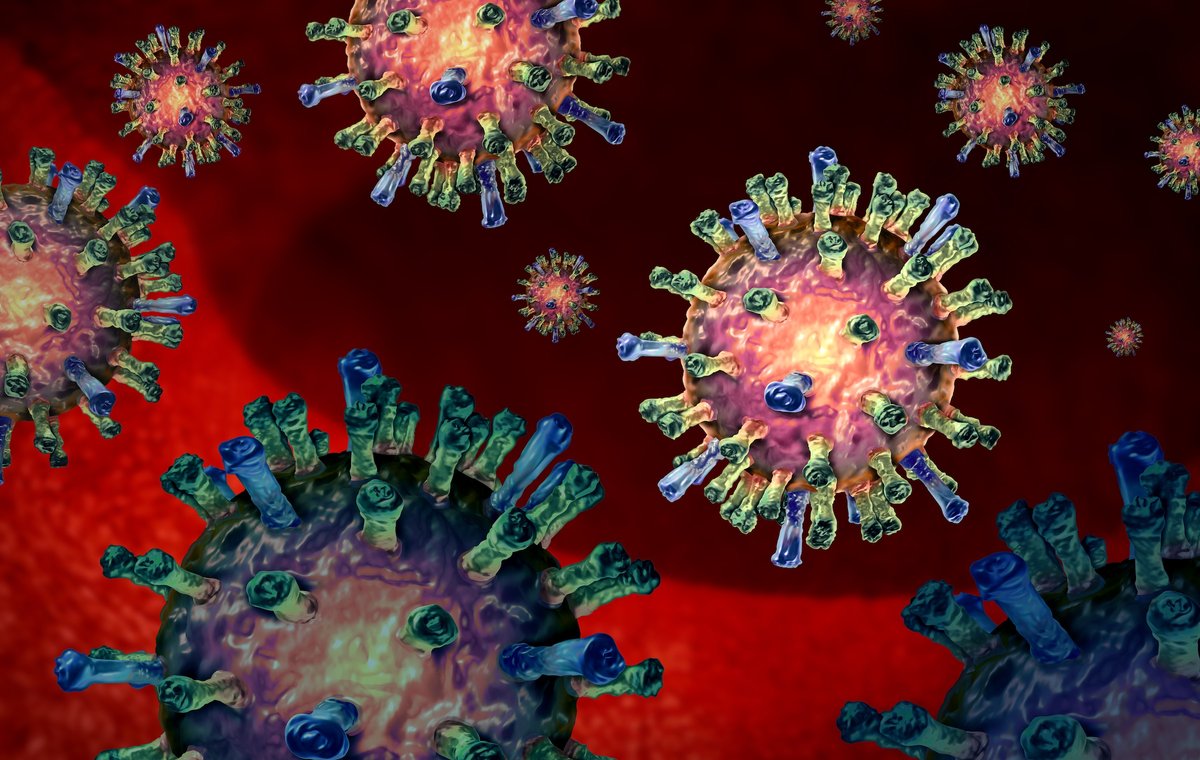
Modelled fragment size versus distance from a 0.6-solar-mass white dwarf: about 100 m at 10 pascals, 1,000 m at 1 kilopascal.1 / 2
A new calculation suggests that the gravity of a 1, the dense remnant of a Sun-like star, cannot by itself turn an asteroid into dust. Jordan Steckloff of the Planetary Science Institute and colleagues report in 2 that breakup stops at fragments about 0.1 to 1 km across, a limit they call "the kilometer-size barrier." This is peer-reviewed modelling, not a direct measurement around a white dwarf.
The assumption being tested
Some white dwarfs have metal-polluted surfaces and surrounding debris disks. The usual explanation is that a small body strays too close and 3, the difference in gravity between its near and far sides, pull it apart. The debris forms a disk that slowly feeds the star.
Models of this have widely treated such bodies as 4, loose aggregates of rock and grains, with no internal strength. "Nothing is truly strengthless," Steckloff said. The 5, a weak attraction between atoms and molecules that also helps geckos cling to walls, holds the grains together. The team puts typical rubble-pile strength at about 10 to 1,000 6 (the unit of pressure and stress), around a million times weaker than solid rock.
Why weak glue still wins
Tidal stress inside a body falls roughly with the square of its size, a standard scaling the article doesn't derive. Cut a fragment's width by 10 and the stress drops about 100-fold. Eventually the stress falls below the cohesive strength, and breakup stops.
For a white dwarf of about 0.6 solar masses, the team finds characteristic fragments about 100 meters wide at 10 pascals and about 1,000 meters at 1,000 pascals. Most of the debris mass ends up in pieces this size. Breakup also barely disturbs them: their speeds change by one part per million to one part per 100 million, so they stay in practically the same orbit.
The missing step
That leaves a gap. Dust reaches the star through 7, in which absorbing and re-emitting starlight saps a grain's orbital energy, making it spiral inward. This works only for small grains, not boulders or kilometer-size chunks. The authors conclude that another process must make the dust, most likely collisions grinding the fragments down.
Evidence and limits
Comet 8 offers a real-world check. Jupiter's tides tore it apart in 1992, producing fragments 100 to 1,000 meters wide rather than dust, and these struck the planet two years later.
That is a single case, with a comet and a gas giant rather than an asteroid and a white dwarf. The authors describe their result as a constraint on only the first step of disk formation. The article doesn't report how collisions would do the grinding, or how fast.
A new calculation suggests that the gravity of a 1, the dense remnant of a Sun-like star, cannot by itself turn an asteroid into dust. Jordan Steckloff of the Planetary Science Institute and colleagues report in 2 that tidal breakup stops at fragments roughly 0.1 to 1 km across. They call this limit "the kilometer-size barrier". The result is peer-reviewed theory, checked against one event in our own Solar System, not a direct measurement of fragments around a white dwarf.
How dead stars acquired debris
White dwarfs are about the size of Earth but carry a mass comparable to the Sun's, which gives them intense gravity close in. For a long time they looked solitary. Then astronomers noticed that some had surfaces polluted with metals, apparently raining down from rocky debris. Next came observations of debris disks around some white dwarfs, followed by evidence of solid bodies within those disks. One example is 3, a white dwarf that seems to be orbited by several small rocky bodies shedding material that falls onto the star.
The accepted outline is that a small body strays too close and 4, the difference in gravity between its near and far sides, pull it apart. The debris forms a disk, and the disk gradually feeds the star. Models of the first step have widely treated these bodies as 5, loose aggregates of rock and grains, with no internal strength at all.
That simplification is what the new paper tests. All three asteroids sampled so far (Itokawa, Ryugu and Bennu) are rubble piles, so the rubble-pile picture itself is reasonable. The zero-strength assumption is the weak part. "Nothing is truly strengthless," Steckloff said.
The force that sets the limit
The glue is the 6, a weak, short-range attraction between atoms and molecules. It is the same effect that helps geckos cling to walls. Steckloff says it gives comets and asteroids a minimum strength "10 to 100 times weaker than pulling apart freshly fallen snow."
The study puts the typical strength of a rubble pile at about 10 to 1,000 7, the standard unit of pressure and stress. That is around a million times weaker than solid rock. Normal atmospheric pressure, for comparison, is about 100,000 pascals.
So why would something so feeble matter against a white dwarf's gravity? The answer lies in how tidal stress scales. The article doesn't walk through the derivation, but the basic physics is well established. The difference in pull across a body grows with its size, and so does the amount of material that difference has to tear loose. Together, these make the internal stress rise roughly with the square of the body's size.
Here is an illustrative example of that scaling. Cut a fragment's width by 10 and the tidal stress inside it falls by about 100. A 100 km body would feel enormous stress and fail easily. Each generation of smaller pieces feels far less, until the stress falls below the cohesive strength. At that point breakup stops, however weak the cohesion is.
What the numbers show
The team calculated this maximum size for bodies made of water ice and iron, and for material densities matching the lunar highlands, the asteroid Vesta and the Earth. In their example of a white dwarf of about 0.6 solar masses, a strength of 10 pascals yields characteristic fragments about 100 meters wide, and 1,000 pascals yields about 1,000 meters.
Those two cases fit the square-law argument above: 100 times the strength gives 10 times the width. That comparison is ours, not a claim quoted from the paper.
The barrier is more than an upper bound. "This limit—the kilometer-size barrier—also represents the characteristic sizes of tidal fragments," the authors write. "Most of the debris mass is contained in fragments of this size."
The team also calculated how much breakup disturbs the fragments' motion. Their speeds change by only "one part per million to one part per 100 million," leaving them in "practically the same orbit as prior to disruption." In other words, the pieces separate gently and keep following the parent body's path rather than scattering.
Why this creates a dust problem
Observed disks contain dust, and fine grains are what the final stage of the process depends on. That stage is governed by 8. A grain absorbs starlight and re-emits it, and because of its orbital motion, this steadily robs it of orbital energy, so it spirals inward. As an analogy, think of running through rain: the drops seem to come from ahead, and they push against you.
The effect is strongly size-dependent. Large bodies barely notice it, and the very smallest grains can instead be blown outward by 9, the push of light itself. Only dust in the right size range drifts toward the star this way. (The source article's wording on this point is muddled; this is the standard picture.)
Fragments 100 meters to 1 km across are far too large for this drag to matter. So tidal shredding alone cannot produce the raw material for a dusty disk that feeds the star. The authors conclude that models need another dust-generating step, most likely collisions that grind fragments down.
A check close to home
The best available reality check is comet 10. When it passed close to Jupiter in 1992, tides pulled it apart, not into dust but into fragments 100 to 1,000 meters wide, which struck the planet two years later. Hubble images recorded the string of pieces.
This is one supporting case involving a comet and a gas giant, not an asteroid and a white dwarf. It matches the predicted scale, but it doesn't prove that the same sizes occur in white dwarf disks.
What remains open
The authors are explicit that they have constrained only the beginning of the process. "Understanding the progression from an intact minor planet to a sea of dust that is accreted onto a white dwarf is an outstanding challenge," they write, describing their result as "a sharp constraint on the first step."
As reported, the paper does not show how collisions would work in detail. It also leaves open how quickly they would turn kilometer-size fragments into dust. The near-unchanged orbits may bear on that question, but the article doesn't say how. Co-author Kat Volk frames the larger goal as understanding what happens to a star's small bodies as it reaches the end of its life.
Remember
Across the two modelled cases, 100 times more cohesion yields fragments only 10 times wider, matching simple tidal-stress scaling.
A force a million times weaker than rock's strength, once ignored in models, sets the size of tidal debris.
Tidal fragments barely change speed or orbit, so breakup alone leaves them following the parent body's original path.
Rats given a simulated dose of deep-space radiation, scaled to a round trip to Mars, had twice as much scar tissue around their hearts' small blood vessels as unexposed rats 360 days later. The study appeared Sept. 30 in the peer-reviewed journal 1. It is animal work and can't show what would happen in people, but its authors say it makes the case for tracking astronauts' health long after they return.
Why animals are needed
Radiation is already known to harm the heart. The open question concerns 2, fast-moving atomic nuclei from beyond the solar system, much of which Earth's magnetic field and atmosphere block. "No astronaut has ever been exposed to galactic cosmic radiation for long periods of time," says co-author John Baker of the Medical College of Wisconsin. With no human group to study, researchers have to recreate the exposure in animals.
The experiment
Baker's team had previously found heart problems in irradiated rats. This time they used 3, a NASA system for simulating galactic cosmic rays that more precisely matches what astronauts might receive on a deep-space mission lasting over a year.
The rats received several minutes of radiation, scaled to their body size, to resemble a Mars round trip of about 18 months. Some had their hind legs suspended to mimic weightlessness.
The results
The extra scarring in irradiated rats is a sign of 4, a condition that raises the risk of 5. With this buildup, "the heart can't relax to the point when it needs to," Baker says.
Rats exposed only to simulated weightlessness did not show the effect, which Baker says confirms that radiation was responsible. Those rats did have lower levels of key immune cells, however, suggesting that 6 may have long-term health effects of its own.
How far it goes
Timing: Rats live 2 to 4 years and humans about 80, so the article estimates the effect could take around 30 years to appear in people. A short post-flight checkup would miss it.
Dose delivery: The rats got one brief exposure, while astronauts would absorb radiation continuously for months. Rupak Pathak, a radiation biologist at the University of Arkansas for Medical Sciences who wasn't involved, wants to see experiments on chronic exposure.
Species: Pathak calls the study valuable, noting that rats and humans share more than 90% of their genetic information and have very similar cardiac systems. They still differ.
Missing details: The article gives no dose figures or animal numbers, and doesn't say whether the rats' heart function declined. Scarring is a marker of risk, not heart failure itself.
Baker hopes follow-up work will help NASA choose countermeasures such as heart medications or better spacecraft shielding. This study tested neither.
Rats exposed to a simulated dose of deep-space radiation, scaled to a round trip to Mars, had twice as much scar tissue around the small blood vessels of their hearts as unexposed rats 360 days later. The study, published Sept. 30 in the peer-reviewed journal 1, is animal research and cannot establish what would happen in people. Its authors draw a narrower lesson: heart damage from a long mission could surface well after the crew has come home, so astronauts need to be followed for a long time.
The evidence gap
Radiation's link to heart problems is well documented. What is missing is direct evidence for the particular radiation found in deep space. Galactic cosmic rays are fast-moving atomic nuclei from beyond the solar system, and Earth's magnetic field and atmosphere block much of them. A trip to Mars would remove that protection for about 18 months with current technology.
"No astronaut has ever been exposed to galactic cosmic radiation for long periods of time," says study co-author John Baker, a professor of surgery in the Radiation Bioscience Laboratory at the Medical College of Wisconsin. That leaves no human group to study, so researchers have to recreate the exposure in animals and wait.
What the experiment did
Baker's team had already found cardiac problems in irradiated rats. The new element is the radiation source: 2, a NASA system for simulating 3. According to the article, it gives a more precise match to what an astronaut might receive on a deep-space mission lasting more than a year.
The rats received several minutes of radiation, with the dose proportionate to their size and intended to resemble a Mars round trip. Some had their hind legs suspended to "simulate conditions of weightlessness," in Baker's words. The researchers then followed the animals for nearly a year.
Comparing these conditions lets the researchers ask which part of spaceflight causes a given effect. If radiation and simulated weightlessness are tested separately, damage seen only after radiation points to radiation as the cause.
What they found
After 360 days, the irradiated rats had twice as much scar tissue around the heart's small blood vessels as unexposed rats. Such scarring is a sign of 4, a condition known to raise the risk of 5. The buildup means "the heart can't relax to the point when it needs to," Baker says.
Rats exposed only to simulated weightlessness did not show the effect, which Baker says confirms "it was only the radiation that produced the damaging effect on the heart."
Weightlessness was not entirely harmless, however. Long-term testing found that those rats had lower levels of key immune cells. The article does not say which cells, and it presents this only as a suggestion that 6 may affect long-term health. Many earlier studies have documented its short-term effects.
From rat years to human years
Rats live about 2 to 4 years and humans about 80, so timing does not transfer directly. The article estimates that effects seen in these rats might take around 30 years to appear in humans. A rough check shows why: 360 days is a quarter to a half of a rat's life, and the same share of a human lifespan is 20 to 40 years. That calculation is ours and purely illustrative, since biology does not necessarily scale in step with lifespan.
If the estimate is roughly right, a short post-flight checkup would miss the problem. "When astronauts come back to the Earth, they expect — and we expect — that they're going to live for a long time," Baker says. "I think we have to be wary that they could well develop at least some type of cardiac disease."
What limits the result
The biggest experimental limit is the delivery of the dose. The rats got their radiation in a single session lasting minutes, while an astronaut would absorb it continuously over many months. Rupak Pathak, an associate professor of pharmaceutical science at the University of Arkansas for Medical Sciences, who was not involved in the study, would like to see experiments on chronic exposure and its effects on the heart and other vital organs.
The species gap also remains. Pathak calls the study "a very valuable contribution to space biology" and notes that rats and humans "share more than 90% of genetic information" and have very similar cardiac systems. Even so, the two species clearly differ, and this result shows an association with scarring in rats, not disease in people.
The article also leaves several questions open. It gives no dose figures or animal numbers, and it doesn't say whether the irradiated rats had measurable loss of heart function or developed heart failure. The finding reported is increased scarring, a marker of raised risk.
What might follow
Baker and his colleagues hope further experiments will help NASA choose safeguards, such as heart medications for crews or better spacecraft shielding. "The more we know before we start, then the better NASA is going to be at working out what types of countermeasures can be developed," Baker says. Neither option has been tested by this study; both remain proposals.
Remember
Scarring was measured nearly a year after a single exposure lasting minutes, so damage can appear long after the radiation.
Radiation, not simulated weightlessness, was tied to the scarring, but weightlessness was linked to lower levels of key immune cells.
The result is scarring in rats; the article reports no heart failure, and chronic low-level exposure remains untested here.
Alcohol, four of eight. It probably came from 7, a maize beer. Historical records say the drink was used to calm children during the final stages of the ceremony.
Harmine, one of eight. Harmine occurs in 8 vines, a main ayahuasca ingredient. Harmine had already been found at one of the sites, along with a related compound, 9. Socha suggests a harmine-containing drink may have had a specific role in ceremonies at that particular sacred mountain.